
Tanzania is experiencing rapid growth, with urban centers such as Dar es Salaam and Arusha expanding faster than ever before. The demand for new buildings, roads, housing, and public facilities is becoming even higher. This is driven by population growth, economic development, and the need for modern amenities.
While this progress signals opportunity and improved standards of living, it also raises an important question: how can we develop at this pace without exhausting our natural resources or jeopardizing the well-being of future generations?
The answer lies in sustainable construction: A forward-thinking approach that prioritizes environmental responsibility. And here’s why it’s essential for Tanzania’s future.
Protecting Our Natural Resources
Tanzania is blessed with abundant natural resources. The lush forests, valuable minerals, flowing rivers, and diverse wildlife. These not only drive the economy but also play a critical role in maintaining the country’s rich biodiversity. However, rapid urbanization and conventional construction methods often put immense pressure on these resources, leading to widespread deforestation, overuse of water, and excessive generation of construction waste. This unsustainable approach contributes to long-term environmental degradation.
Sustainable construction offers a practical and responsible alternative. It emphasizes the efficient use of materials by encouraging recycling, repurposing, and minimizing waste during construction. Sustainable methods advocate for the use of alternative materials such as bamboo or stabilized soil blocks, which are both renewable and environmentally friendly. Additionally, water conservation is a key principle, with techniques like rainwater harvesting and the installation of efficient plumbing systems reducing unnecessary water consumption.
Combating Climate Change
The construction industry is one of the largest contributors to carbon emissions globally, and Tanzania is no exception. As the country continues to develop, the growing demand for new buildings, roads, and infrastructure is increasing energy consumption and resource use, which directly adds to greenhouse gas emissions. Meanwhile, the effects of climate change are becoming more visible and severe. And for a country where many depend on farming and natural resources for survival, the consequences of inaction are too significant to ignore.
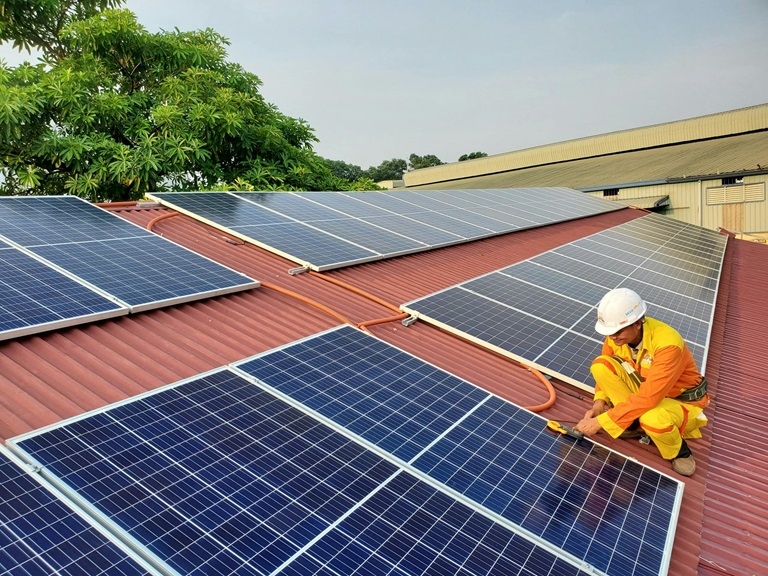
Sustainable or green building practices provide a practical solution to this challenge. Incorporating renewable energy sources such as solar power reduces reliance on fossil fuels, while installing energy-efficient windows and insulation minimizes heat gain and the need for artificial cooling. Additionally, designing buildings with natural ventilation, shading, and daylighting not only enhances indoor comfort but also significantly cuts down on electricity usage. Which in turn, lowers emissions.
Reducing Long-Term Costs
A common misconception about sustainable construction is that it is too expensive or only suitable for high-budget projects. While the initial investment may sometimes be slightly higher than conventional building methods, the long-term financial benefits are significant and undeniable. Energy-efficient buildings, for instance, are designed to optimize natural ventilation and insulation, which drastically reduces the need for air conditioning and artificial cooling, leading to substantial savings on electricity bills. Similarly, incorporating natural lighting through well-positioned windows and skylights decreases dependence on artificial lighting during the day, further cutting energy costs.
In addition to energy savings, sustainable construction prioritizes the use of durable, high-quality materials that have longer lifespans and require less frequent maintenance or replacement. This translates into lower repair and upkeep costs over the years, making it a practical and economical choice for property owners.
Improving Public Health
The way buildings are designed and constructed has a direct impact on the health and well-being of the people who use them. Poorly designed structures often trap heat, accumulate moisture, and encourage the growth of mold, all of which can significantly worsen indoor air quality. Over time, this can lead to respiratory illnesses and general discomfort for occupants. In a tropical country like Tanzania, where high temperatures and humidity are common, such conditions can quickly turn buildings into unhealthy and uncomfortable spaces.
Sustainable construction addresses these issues by prioritizing healthy indoor environments. This includes proper ventilation systems that allow for better airflow, the use of non-toxic and low-VOC (volatile organic compound) paints that reduce harmful chemical exposure, and thoughtful building designs that maximize natural lighting.
These considerations are especially critical for schools, hospitals, and office buildings in Tanzania. In classrooms, for example, improved air quality and lighting can enhance concentration and learning outcomes.
Building Resilient Cities
As Tanzania’s urban population continues to grow rapidly, cities like Dar es Salaam face increasing pressure to provide reliable infrastructure and safe living conditions. However, with climate change bringing more frequent floods, heatwaves, and other extreme weather events, many existing buildings and public facilities are not equipped to withstand these challenges. Poor drainage systems often result in severe flooding during heavy rains, while high temperatures strain energy systems and make indoor spaces uncomfortable, especially in densely populated areas. Without proactive planning, these issues will only worsen as cities expand.
Sustainable construction offers solutions by integrating resilience into the very foundation of urban development. This includes designing and building efficient drainage systems to manage stormwater, using durable materials that resist weathering and corrosion, and incorporating heat-reducing strategies such as green roofs, reflective surfaces, and natural ventilation. Additionally, sustainable urban planning encourages the creation of open green spaces, which not only improve air quality but also help absorb excess rainwater and reduce urban heat.
Tanzania stands at a turning point. Every new house, office, or road built today shapes the Tanzania of tomorrow. The decisions we make in construction today will determine whether we will grow responsibly and thrive for generations to come, or become one of overexploited land and rising environmental challenges.
Sustainable construction is the key to balancing progress with preservation. Government policies, private investments, and public awareness all play a role in encouraging eco-friendly building practices. If you’re ready to be part of this change, contact TechnoFix today and let us help you build sustainably for a better future.